Translation hit the news in Suffolk recently, as the newly appointed Reform administration reported £283,000 is spent on “translation services for those who refuse to integrate.”
In response to this uproar, I thought this would be the perfect opportunity to go back to basics and explore what translations services are, who they are for, and why they are important.
When people talk about translation the example that immediately springs to mind is from one language to another, in my case Spanish & Catalan to English. In the meeting in Suffolk a couple of weeks ago, this was the meaning of translation Reform UK were playing on.
But let’s dig deeper into their claim that people “are refusing to integrate.” We all love a foreign holiday, but how many of us are as fluent in the language of our chosen destination as we are in English? Being able to get by in a language whilst on holiday is one thing, living in a country and getting by on a day-to-day basis is another. Now imagine ending up in a situation where a school or social work team needs to discuss something with you that can be a struggle for some English natives to understand. An entire other level of language ability is required, in this situation a language specialist is required, someone who can navigate not only the complex language differences, but also the cultural differences. £210,000 of the council’s translation budge was spent on children and young people.
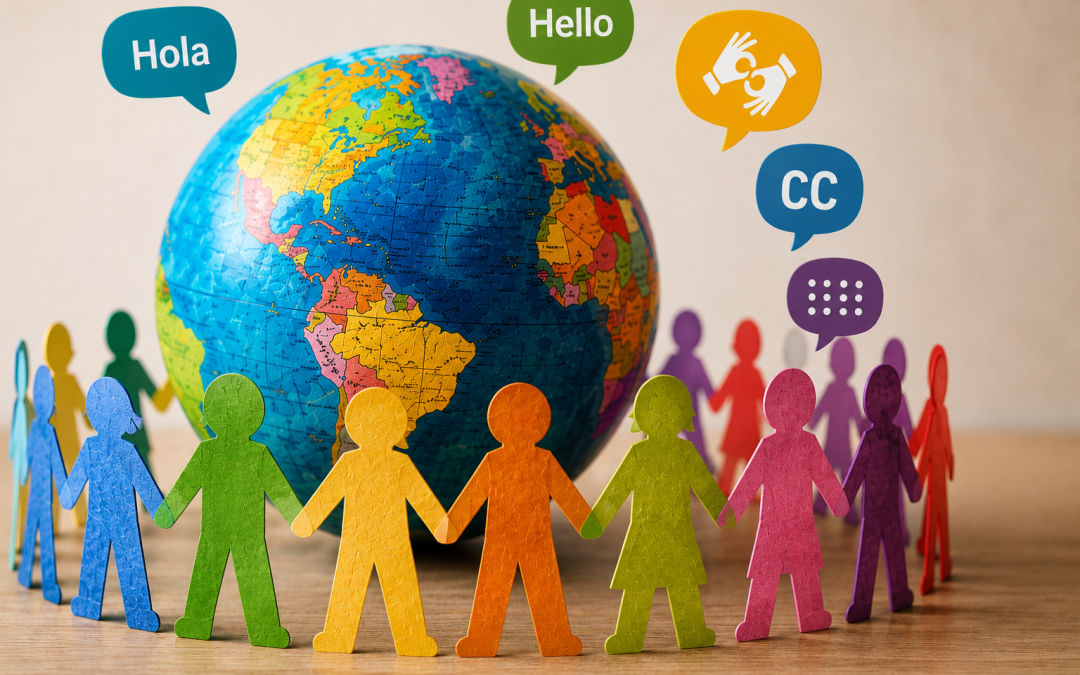
However, did you know there are also two other types of translation? One’s that are less well known and much closer to home.
People with hearing impairments, may require large print versions, signing services such as British Sign Language or Makaton; and the blind may require audio services, all of these fall under translation. These individuals are not refusing to integrate, but have conditions which restrict their participation in mainstream society. Let us not forget the increasing provision of subtitling services, used by a wide variety of people in a range of situations, and yes, you’ve guessed it, this is also classed as a translation service.
The final type of translation, includes plain language summaries and adaptations such as a text originally designed for adults that is rewritten for children. A text written in the same language as the original but where the wording has been changed (think also of the many remakes of Romeo and Juliet/Pride and Prejudice in modern formats).
So in response to the recent news articles and claims, translation isn’t just about language, it’s accessibility. Translation is about community, it’s about bringing people together, embracing everyone as they are, and including them where they’re at right now.
For the full article see: https://www.bbc.co.uk/news/articles/ce3ple18d8xo